ADVERTISEMENT
How To Mix Herbal Teas For Better Sleep?
What if the secret to better sleep was sitting in your kitchen cabinet right now? Herbal teas have been used for centuries to support rest and relaxation. But just drinking any tea won’t do the trick. The key lies in combining the right herbs to create calming blends that truly help your mind and body wind down. Here’s a complete guide to mixing herbal teas that may help you sleep better, with easy recipes and helpful tips to get the most out of every cup.
Chamomile, Lavender, And Lemon Balm Blend
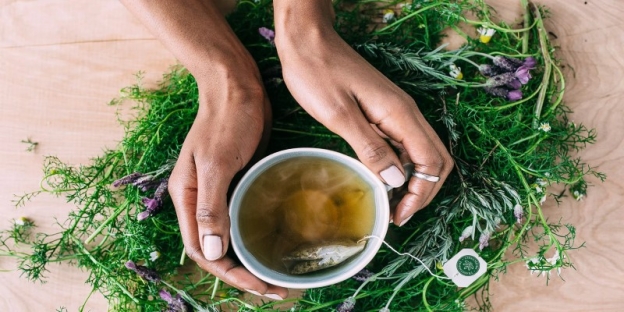
Chamomile is often the first tea that comes to mind when people think about sleep. It contains apigenin, an antioxidant that may bind to certain brain receptors and promote relaxation. Lavender adds a soft floral note while helping to reduce anxiety. Lemon balm, a member of the mint family, helps calm a racing mind and lifts the mood.
Ingredients
- 1 tsp dried chamomile flowers
- 1 tsp dried lavender buds
- 1 tsp dried lemon balm leaves
Instructions
- Combine all herbs in a teapot or tea infuser.
- Pour 1 cup of hot water (not boiling) over the herbs.
- Steep for 5–7 minutes.
- Strain and sip slowly about 30–45 minutes before bedtime.
The blend smells as good as it tastes, and the scent alone can signal your body to start winding down.
Valerian Root And Peppermint Sleep Mix
Valerian root has a long history of being used as a sleep aid. It may help boost the amount of GABA (a calming brain chemical), which can lower activity in the brain and ease the process of falling asleep. Since valerian has a deep, musky taste, peppermint helps lighten the flavor while calming the digestive system—another way to support sleep.
Ingredients
- 1 tsp dried valerian root
- 1 tsp dried peppermint leaves
Instructions
- Mix the herbs in a tea ball or filter.
- Add 1 cup of hot water and steep for 10 minutes.
- Strain well—Valerian can be a little strong.
- Drink 30 minutes before bed.
Note: Valerian root is powerful. It’s best to start with small amounts and see how your body responds. It may not be ideal for daytime use or driving afterward.
Holy Basil And Fennel Evening Tonic
Holy basil (also called tulsi) is known in Ayurvedic traditions for easing stress and balancing hormones. Fennel adds a mild sweetness and supports digestion, which can be a key part of getting better sleep if you often feel heavy or bloated at night.
Ingredients
- 1 tsp dried holy basil
- 1 tsp crushed fennel seeds
Instructions
- Add both herbs to a teapot.
- Pour over with 1 cup hot water.
- Let it steep for 7–8 minutes.
- Strain and enjoy while warm.
This tea works well for people who tend to overthink or feel anxious in the evening. It has a grounding, mellowing effect.
Passionflower, Hops, And Skullcap Deep Sleep Tea
Passionflower helps to calm busy thoughts and supports deep sleep cycles. Hops (yes, the same plant used in beer) are known for their sedative effect, while skullcap is often used in herbal medicine for supporting the nervous system.
Ingredients
- 1 tsp dried passionflower
- 1 tsp dried hops
- 1 tsp dried skullcap
Instructions
- Mix all herbs well and steep in hot water for 10 minutes.
- Strain thoroughly and drink about 45 minutes before sleep.
This blend is especially helpful after high-stress days. It works best if used occasionally when needed, rather than every night.
Rose Petal, Lemon Verbena, And Spearmint Bedtime Blend
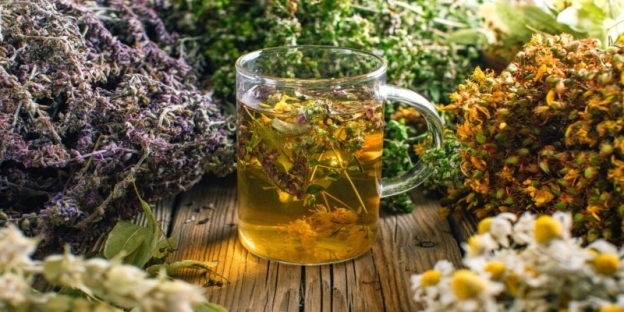
Rose petals have a calming effect on emotions, and lemon verbena adds a soft lemon note that feels very light on the body. Spearmint gives a touch of coolness and can ease tension. This mix is great if you’re looking for a lighter tea that soothes without feeling too heavy.
Ingredients
- 1 tsp dried rose petals
- 1 tsp dried lemon verbena
- 1 tsp dried spearmint
Instructions
- Blend the herbs and pour 1 cup of hot water over them.
- Steep for 5–6 minutes.
- Strain and drink about 30 minutes before bed.
It’s a good option for those who are new to herbal teas or want something that’s gentle enough for daily use.
Mixing Tips For Better Results
Use Dried Herbs Over Tea Bags
Pre-packed teas can work, but loose dried herbs tend to be fresher and more potent.
Try Single Herbs First
If you’re not sure how your body reacts, try one herb at a time before mixing.
Adjust To Taste
Some herbs, like valerian or hops, are bitter. You can reduce the amount or add a bit of honey (if you're not avoiding sweeteners) to mellow the flavor.
Avoid Caffeine
Make sure all ingredients are caffeine-free. Even some green teas labeled for "relaxation" contain caffeine.
Be Consistent
Herbal teas often work best when used regularly. Try making them part of your nighttime ritual.
Herbs To Avoid Mixing
Not all herbs go well together, and some may counteract each other. Here are a few tips:
- Avoid strong stimulants like ginseng or guarana in sleep blends.
- Don’t mix too many herbs at once. It can confuse the effect and overwhelm the body.
- Avoid herbs you’re allergic to—this includes anything in the ragweed family if you’re sensitive to it, like chamomile.
Always double-check if you’re taking medications or have a health condition, especially before trying herbs like valerian, which can interact with some prescriptions.
When And How Often Should You Drink Herbal Sleep Teas?
Start about 30 to 60 minutes before your planned bedtime. Choose a quiet moment, away from screens or distractions. Drinking your tea slowly can help set the tone for the night. For most people, one cup is enough. You don’t want to drink too much right before bed and then wake up for the bathroom.
Better Sleep Starts with a Simple Cup
A warm cup of tea can do more than just help you sleep—it becomes a small but comforting ritual that signals your body and mind to relax. Whether you like floral, minty, or earthy flavors, there’s a blend that fits your taste and your needs. Try different combinations, pay attention to how your body reacts, and give yourself a quiet pause before sleep. Sometimes, that’s all you really need.