ADVERTISEMENT
How To Keep Homemade Beverages Fresh Longer?
Ever made a big batch of homemade juice or iced tea, only to find it tastes off a day or two later? You're not the only one who’s had that disappointment. Whether it's a fruity smoothie, herbal infusion, or flavored water, keeping drinks fresh without the help of commercial preservatives can feel like a guessing game. So what actually helps them stay good longer? Let’s break it down with easy tips and a better understanding of how freshness really works for homemade drinks.
Why Do Homemade Beverages Go Bad So Fast?
Homemade drinks are often free from preservatives, which is great for your health, but it also means they spoil faster. Here's why:
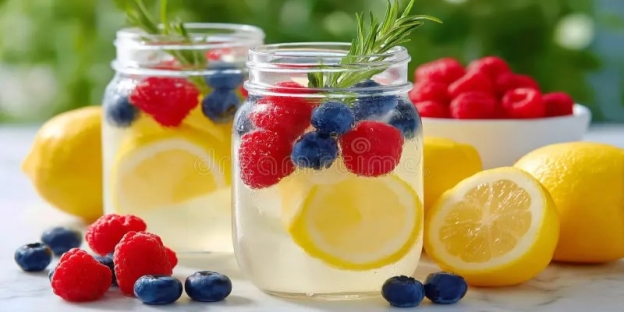
- Oxidation: When drinks are exposed to air, the oxygen can break down their nutrients and flavor. This is especially true for fruit-based beverages.
- Microbial Growth: Once air, utensils, or your hands come in contact with the drink, bacteria can start to grow, especially if the drink contains sugar or dairy.
- Temperature Changes: Leaving a drink out for even a few hours speeds up spoilage, especially in warmer climates.
Understanding this helps you stay a step ahead when trying to keep your beverages tasting fresh longer.
Should You Use Glass Or Plastic For Storage?
Choosing the right container matters more than people think. Glass is often the better option for homemade drinks. It doesn’t absorb smells or stains and doesn’t contain chemicals like BPA that can leach into your drink. Glass jars with airtight lids keep oxygen out more effectively.
Plastic containers can be handy and lightweight, but over time, they may retain odors or get scratched inside, which gives bacteria a place to grow. If you go for plastic, pick food-grade BPA-free ones and make sure they seal tightly.
What Role Does Refrigeration Play?
Cold temperatures slow down bacterial growth. This isn't news, but the detail that's often missed is consistency. Try to chill your drinks immediately after making them and keep the temperature steady. If your fridge has warm spots near the door, avoid storing drinks in those areas. Instead, tuck them deep into the shelves.
A general rule: most homemade beverages can last 3 to 5 days in the fridge when stored properly. But that time frame can be extended with a few extra steps.
Can Acidic Ingredients Help Preserve Drinks?
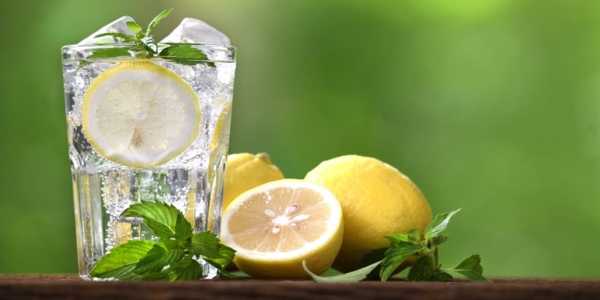
Yes, they actually can. Acidic ingredients like lemon juice, lime juice, or vinegar help lower the pH of your drink. A lower pH creates an environment that slows down bacteria and mold. Many traditional beverages around the world use this principle—think lemonade, shrubs, or ginger beer.
If you’re making something like fruit punch or herbal tea, adding just a little citrus can improve both the flavor and shelf life.
Does Sugar Help Or Hurt?
Sugar is a double-edged sword. In small amounts, it can help stabilize the taste and texture. But in large amounts, especially if the drink isn’t refrigerated, it becomes fuel for bacteria and yeast. That’s when spoilage speeds up. If your drink is already on the sweeter side, pay extra attention to storage and temperature.
Some traditional recipes boil the drink after mixing to help sterilize it, especially those with fruit syrups. It’s a simple step that can help extend freshness.
How About Freezing?
Freezing works well for smoothies, juices, and herbal teas—especially if you won’t drink them right away. Portion them out into individual servings using freezer-safe glass jars or silicone ice cube trays.
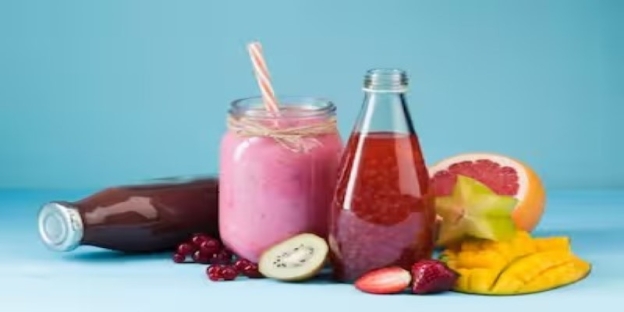
Here’s a tip: leave a little space at the top of the container, because liquids expand as they freeze. Otherwise, you risk cracked jars or messy spills.
When you’re ready to use them, let the drink thaw in the fridge rather than at room temperature to reduce the risk of bacteria.
What Are Natural Preserving Options?
If you don’t want to use commercial preservatives, there are a few natural options that help:
Honey
Not just a sweetener, honey has natural antimicrobial properties. It can help extend the life of certain drinks like herbal teas.
Salt
In very small amounts, salt can help preserve savory drinks like tomato juice or vegetable-based broths.
Herbs And Spices
Some, like cinnamon and clove, are not just flavorful—they also have antifungal and antibacterial traits. They work well in warm-weather drinks like chai or apple cider.
How Long Can Different Drinks Stay Fresh?
Each drink has its own shelf life, depending on what it’s made of:
Drink Type | Fridge Life (Airtight Container) |
Fresh Fruit Juice | 3–4 days |
Herbal Tea (no sugar) | 4–5 days |
Smoothies | 1–2 days |
Iced Tea (sweetened) | 3–5 days |
Infused Water | 1–2 days |
Homemade Lemonade | 5–7 days |
Vegetable Juice | 1–2 days |
Keeping drinks in opaque bottles or dark containers can also help reduce light exposure, which may degrade certain nutrients over time.
When Should You Throw It Out?
Even with all the right steps, homemade beverages don’t last forever. Trust your senses.
Smell
If it smells sour or off in any way, don’t drink it.
Appearance
Changes in color, separation, or signs of mold are all red flags.
Taste
If it tastes fizzy or tangy when it’s not supposed to, that’s likely fermentation happening.
Always better to make small batches more frequently than risk keeping a large one too long.
Small Habits That Make A Big Difference
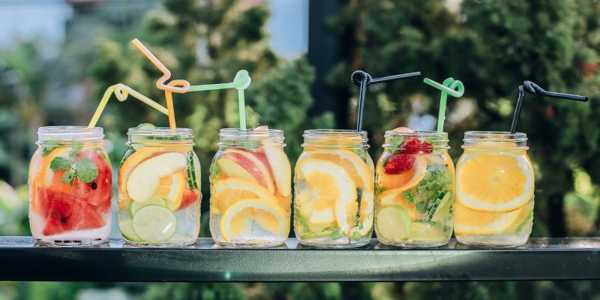
- Store drinks in smaller jars or bottles so you only open what you’ll use at once.
- Label each container with the date you made it.
- Don’t drink directly from the bottle if you plan to save the rest for later. That introduces bacteria from your mouth and shortens shelf life.
- Shake well before drinking, especially for infusions and smoothies where ingredients tend to settle.
Choosing Flavor And Freshness Together
Keeping homemade beverages fresh doesn’t have to mean sacrificing taste. In fact, many of the things that help them last longer—like adding citrus, using herbs, or freezing in batches—actually make them more enjoyable. It all comes down to storing them smartly, preparing them cleanly, and knowing what ingredients can work in your favor.
Once you get the hang of it, it's easy to create drinks that stay fresh longer and taste better while doing it.